
Woven elastic is a type of elastic product made from tightly interlaced yarns, providing a dense, sturdy surface with excellent load-bearing capacity.
At Toan Thinh Textile, a high-quality woven elastic band must not only provide stable elasticity but also maintain strong dimensional stability and minimize deformation when exposed to significant external forces. This helps finished garments and products maintain their original shape and structure.
Unlike knitted elastic, woven elastic is an ideal choice for products that require enhanced strength and stability, such as protective clothing, backpacks, handbags, and components that require strong rebound and reliable elasticity.
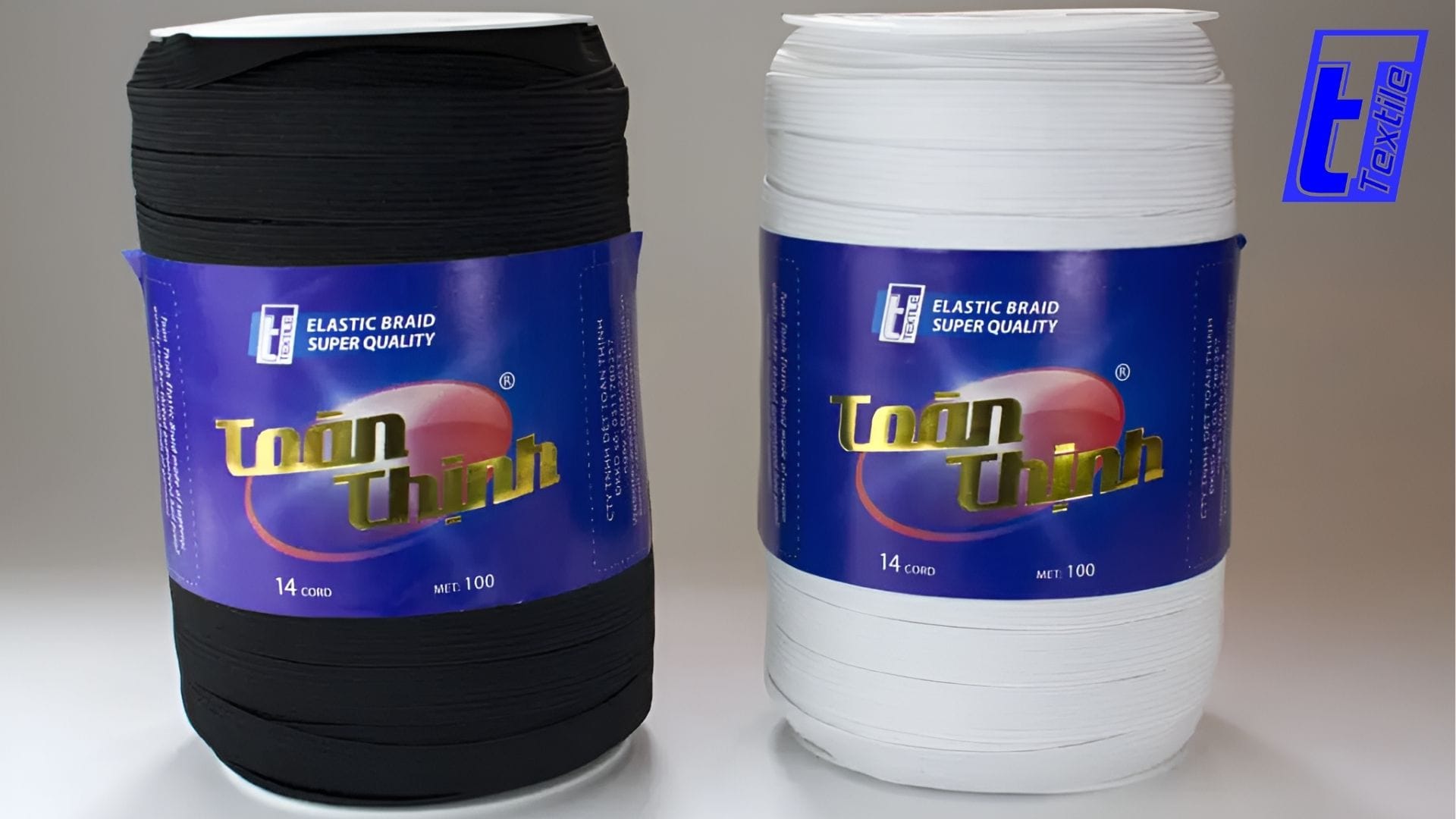
Technical Specifications of Woven Elastic
To make it easier for business partners to review, evaluate, and select the right product, Toan Thinh provides detailed specifications for the following woven elastic products.
← Swipe horizontally to see more →
Practical Applications Across Different Industries
- Apparel & Fashion (3 mm – 12 mm): Used for sleeve cuffs, necklines, waistbands for children’s clothing, and dresses that require firm elasticity without becoming loose after repeated washing.
- Protective Clothing & Medical Apparel: The woven structure helps withstand industrial washing and cleaning environments, making it suitable for workwear, protective clothing, and straps for medical equipment.
- Backpacks & Handbags: Thanks to its dense structure and excellent load-bearing capacity, woven elastic is commonly used for water bottle pockets, decorative straps, and supporting components for expandable compartments in bags.
- Other Accessories: Can be flexibly combined with elastic thread for detailed sewing applications that require precision and high durability.
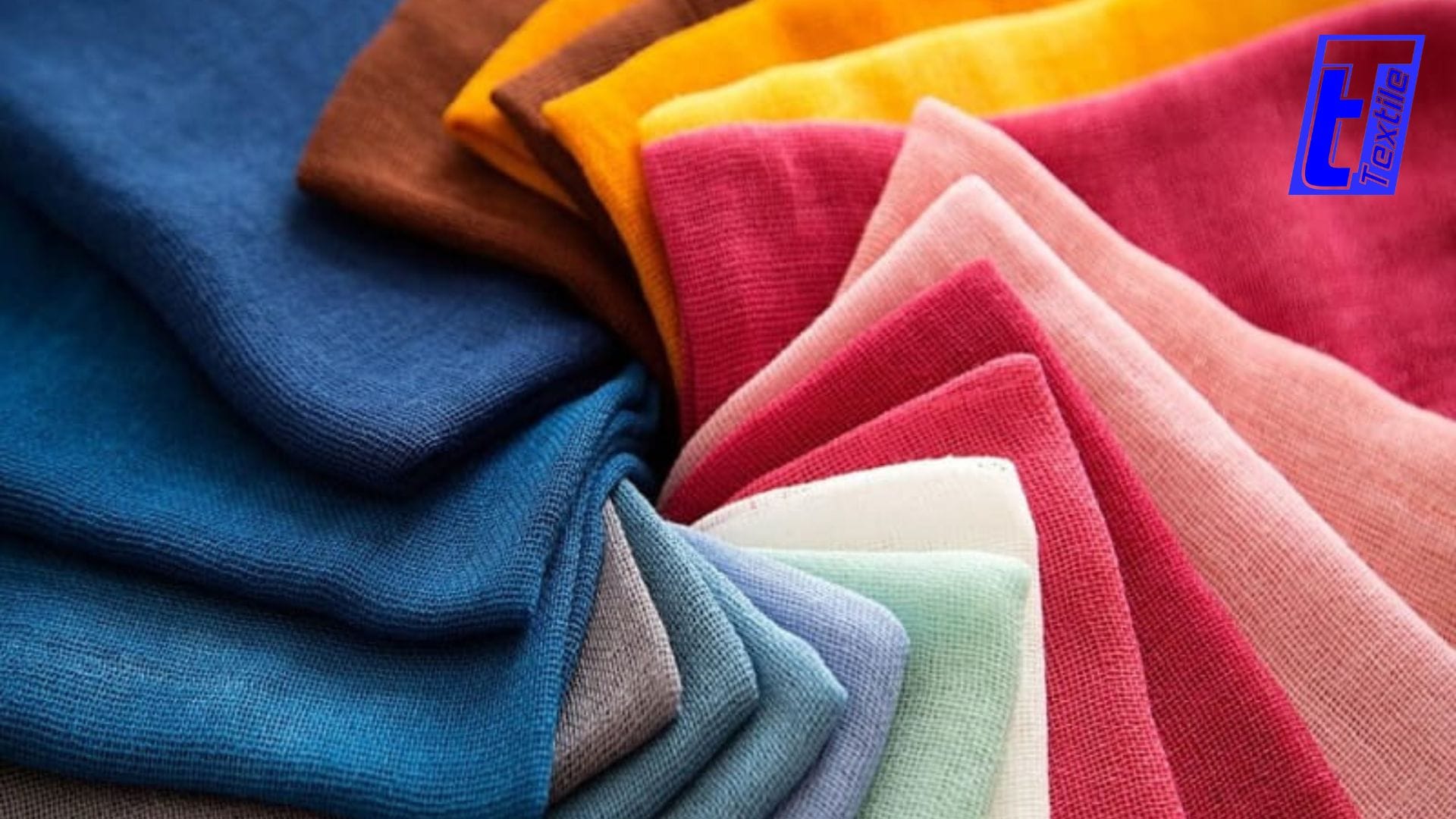
Woven elastic is widely used across various industries
Why Choose Woven Elastic from Toan Thinh Textile?
Beyond supplying materials, we provide solutions designed to optimize production and machine operation for garment manufacturers.
1. Tight Weaving Density for Enhanced Shape Retention
Unlike hollow elastic products, the dense structure of woven elastic enhances abrasion resistance and helps prevent yarn fraying or damage to the rubber core when exposed to the impact of sewing needles.
2. Industrial-Grade Materials (Dakruthread & Sado Thread)
The combination of high-strength polyester yarn and natural rubber helps the product maintain consistent color, while supporting stable elasticity during storage and use.
3. Standardized Packaging for Efficient Machine Operation
Products are processed without unnecessary splicing or connecting sections, helping circular machines operate smoothly, reducing defect rates, and minimizing the labor required for machine operation.
Supply Commitment & After-Sales Service for B2B Partners
Toan Thinh Textile has developed a transparent working process focused on ensuring supply stability and long-term cooperation with business partners.
Flexible Delivery Times
- In-stock products: Fast delivery support within 24–48 hours.
- Custom production: Production and finishing can be completed within 7–10 days, depending on the specific requirements.
Transparent Quality Warranty (SLA)
- Material quality is covered by a warranty of up to 12 months.
- A 1:1 replacement or return policy applies if the product does not meet the approved specifications for size or yarn quality.
Frequently Asked Questions About Woven Elastic from Toan Thinh Textile
1. What is the basic difference between woven elastic and knitted elastic?
Woven elastic features a tightly interlaced structure, providing a denser construction and stronger tensile strength. It is commonly used in applications that require reliable shape retention. Knitted elastic has a looped yarn structure, making it softer and more comfortable against the skin.
2. Can I order custom sizes outside the standard specifications?
Yes. Toan Thinh Textile supports customized specifications and elasticity levels based on the specific technical requirements of each product and order.
3. How can I identify high-quality woven elastic?
You can test the product by stretching it to its maximum capacity. High-quality elastic should quickly return to its original shape without permanent deformation. The width should remain stable, and the surface should not show signs of fraying.